
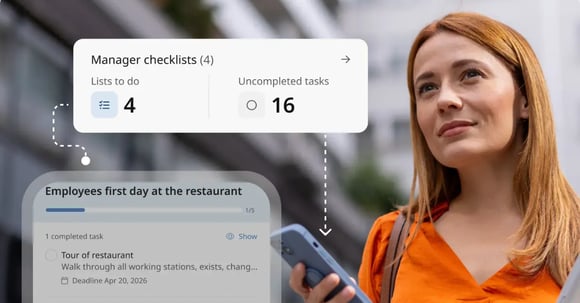
The organizations that outperform are not simply training managers better. They are enabling managers better. Most organizations focus on onboarding, training, and development, yet performance still varies widely across teams and locations.
The difference is often not the strategy itself, but how consistently managers reinforce, coach, and follow up in daily operations.
Here are five research-backed facts that explain why manager enablement has become one of the biggest drivers of workforce performance, and how you succeed with it.
But first let's map out the concept of manager enablement.
What is manager enablement?
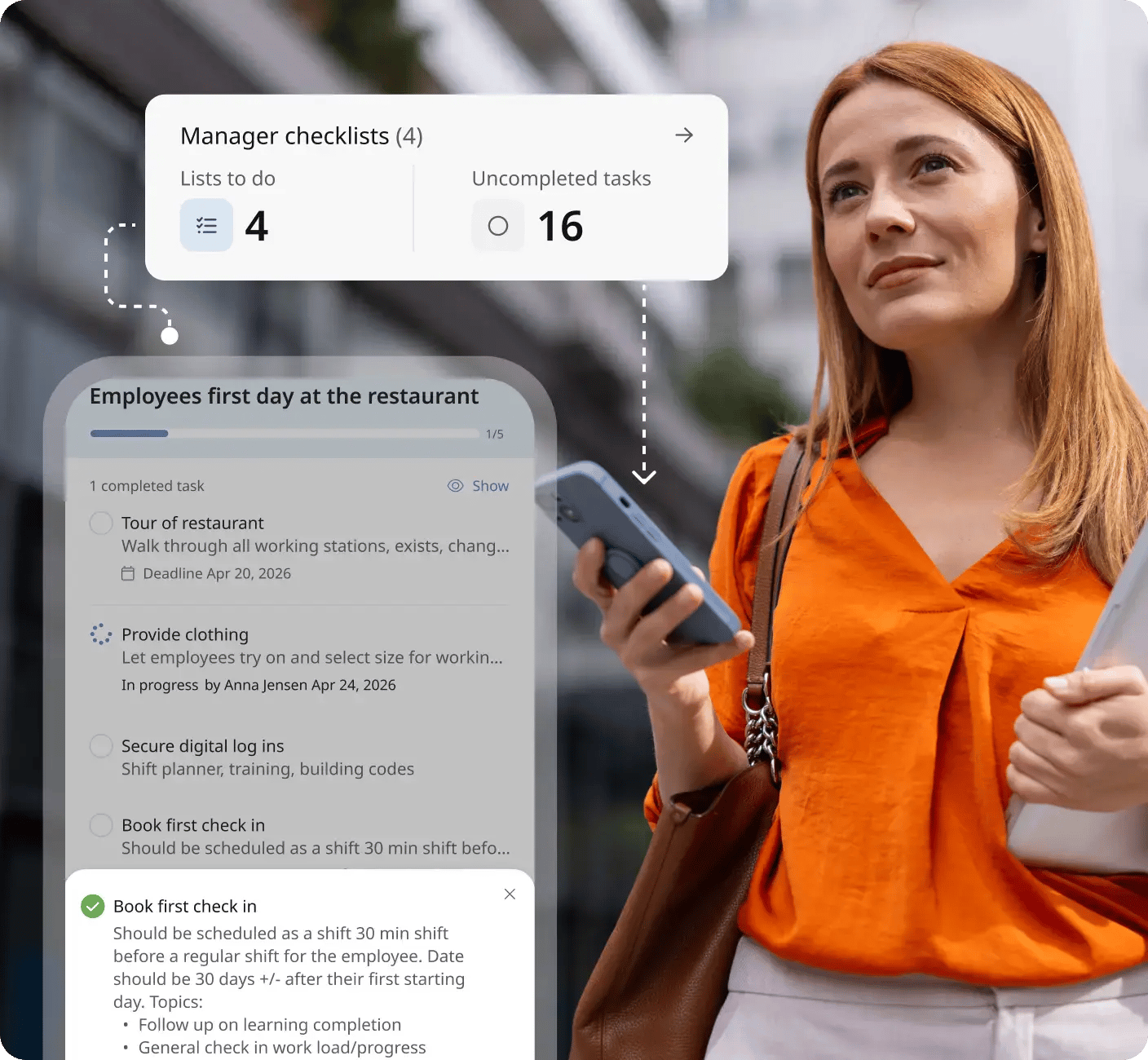
Manager enablement gives managers the visibility, structure, and tools to turn onboarding, learning, and standards into daily performance. It helps them follow readiness, support development, and coach more consistently across teams and locations.
It also moves coaching, follow-up, and readiness into everyday work instead of leaving development with HR alone. The result is more consistent execution and a stronger employee journey across the business.
1. Managers drive engagement. Stop treating development as an HR responsibility.
Managers account for at least 70% of the variance in team engagement. Yet in many organizations, onboarding, learning, and development are still treated as HR initiatives.
That creates a disconnect. If managers have the biggest influence on engagement and performance, they also need the tools to develop people consistently. Too often, managers are expected to coach, support, and improve performance without visibility into readiness, skills, onboarding progress, or development activities.
The organizations that succeed are shifting development closer to the business. They give managers visibility into their teams and make coaching part of everyday work instead of a separate HR process.
2. Why manager visibility is critical for employee development
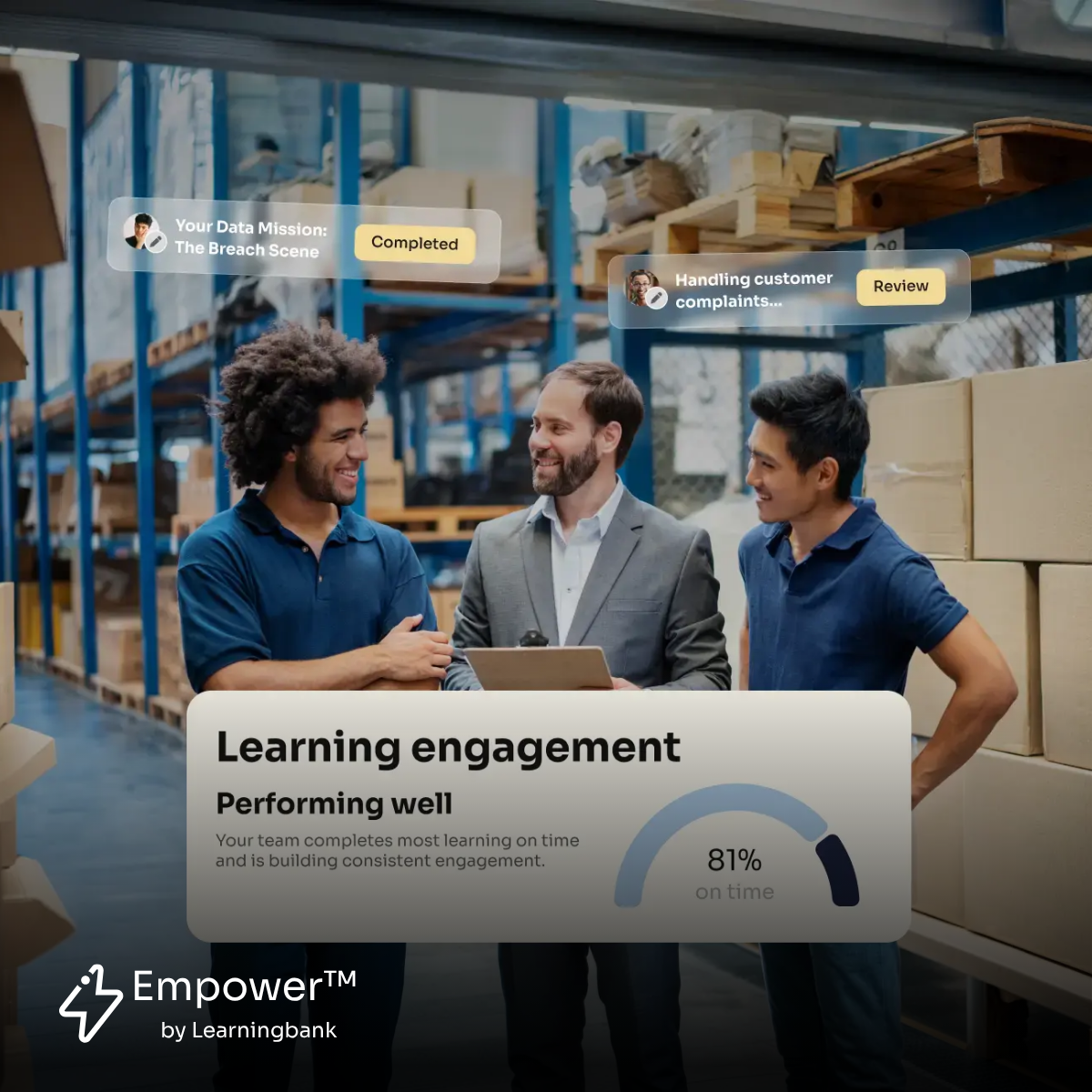
Only 34% of employees strongly agree their manager knows what they are working on.
Most companies respond by asking managers to spend more time coaching. But coaching without visibility is guesswork. Managers need a clear view of onboarding progress, skills, certifications, development activities, and readiness across their teams. Not more reports. Not more spreadsheets.
The goal is simple. Help managers understand where support is needed, where people are progressing, and where intervention will have the biggest impact.
Learn how you can create better manager visibility with Empower in the Workforce Enablement Platform.
3. How structured manager coaching drives better employee performance
Only 11% of companies structure frontline manager roles around coaching and developing employees.
As a result, coaching often depends on the individual manager. Some make time for it. Others are overwhelmed by operations and administration. That creates inconsistency across teams and locations.
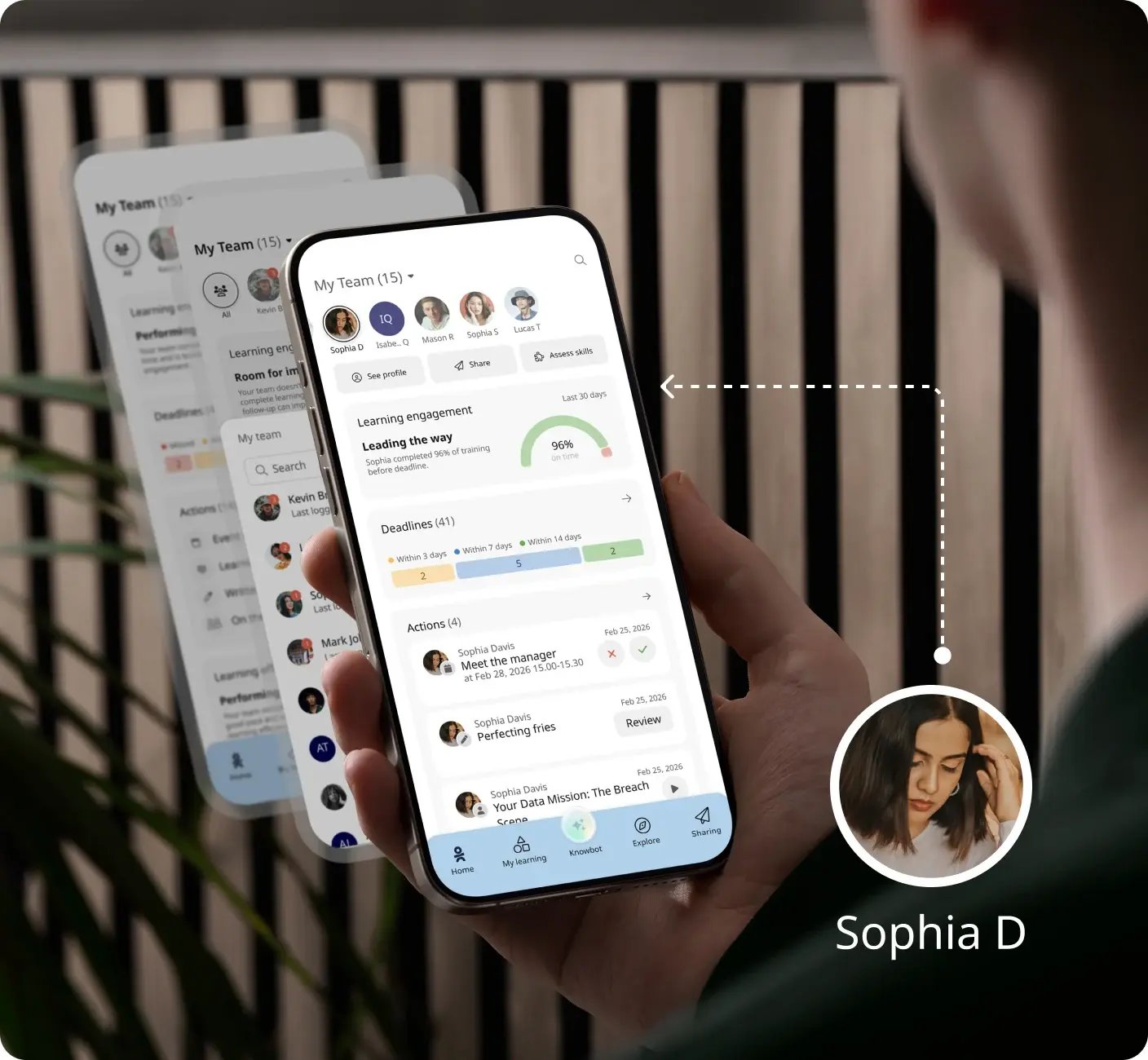
The best organizations remove that dependency by standardizing manager routines. Structured onboarding plans, development activities, follow-up checkpoints, and coaching workflows ensure employees get the same level of support regardless of who manages them.
When coaching becomes a process instead of a personal preference, performance becomes much easier to scale.
4. Feedback works best when it is connected to real work.
Only 26% of employees strongly agree the feedback they receive helps them do their work better.
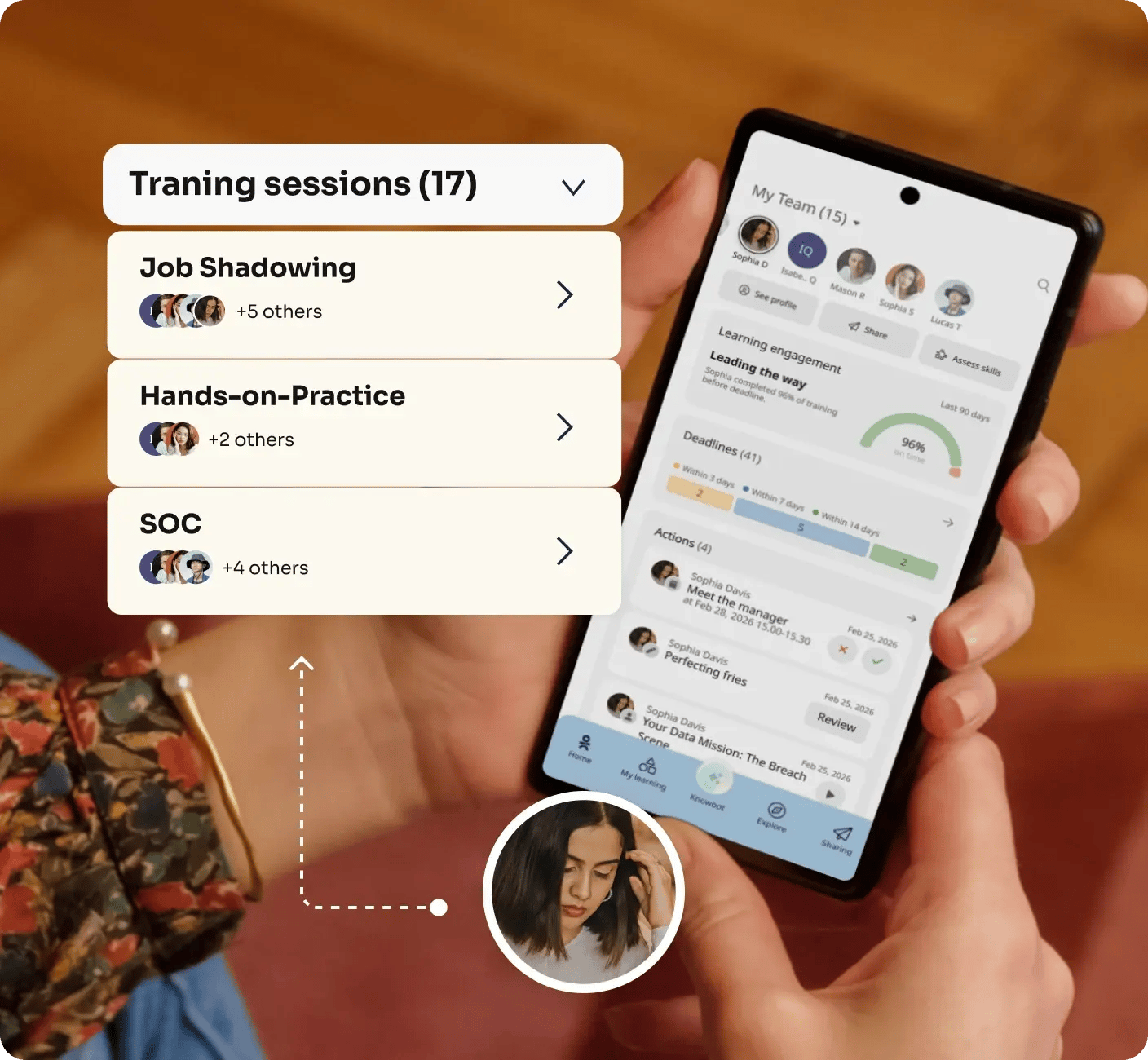
The issue is rarely intent. Most managers want to help their people succeed. The problem is that feedback often becomes generic because it is disconnected from actual performance. Useful feedback comes from observing people in real situations, understanding their strengths and gaps, and coaching them in the moment.
That is why leading organizations are moving feedback closer to the work itself. When managers can verify skills, follow progress, and observe performance directly, feedback becomes more relevant, actionable, and valuable.
5. Why manager enablement improves workforce performance
Only 10% of respondents say frontline manager training effectively prepares managers to lead.
That should not be surprising. Most managers have already attended training. The challenge is not learning what good leadership looks like. The challenge is applying it consistently when operations get busy.
Great managers need systems that support execution after training ends. They need development plans, coaching tools, follow-up workflows, and visibility into team readiness.
Because performance rarely breaks because standards are unclear. It breaks because onboarding, coaching, and follow-up vary from manager to manager.
Sources:
Gallup, Manager Development: What It Is, Why It Matters and How It Works
https://www.gallup.com/workplace/702065/manager-development.aspx
McKinsey, How companies manage the front line today: McKinsey Survey results
https://www.mckinsey.com/capabilities/people-and-organizational-performance/our-insights/how-companies-manage-the-front-line-today-mckinsey-survey-results